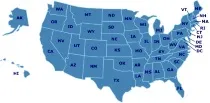
This technical paper provides an estimate of the number of children in homeschooling. Of particular note is their estimate of the numbers of children with any type of homeschooling experience. Based on an estimate of an average turnover rate of 2 years, this study estimates that the number of children with some homeschooling experience, by age 18, would be around 6 to 12 percent of the population. The study also looks at the filing status of homeschoolers in various states and the possible under-estimation of non-filers.
Have you ever wondered where to find math drill worksheets? Make your own at SuperKids for free! Simply select the type of problem, the maximum and minimum numbers to be used in the problems, then click on the button! A worksheet will be created to your specifications, ready to be printed for use.
This is a survey sponsored by the U.S. Department of Education, with a stated goal of being used by educators and by federal and state policy makers to address important issues facing the nation's schools: educational standards, high school course-taking patterns, dropping out of school, the education of the disadvantaged, the needs of language minority students, and the features of effective schools. We are including this link as an item of interest, to demonstrate what directions institutional survey writers are taking in their approach to homeschooling. In our opinion, it is a completely inadequate attempt to measure homeschooling demographics or success, focusing heavily on cultural notions of "socialization" and structured educational models. It is also invasive in terms of the amount of personal information required.
Why would a family with no religious affiliation opt out of the standard school model? The short answer is that the stakes were too high not to. The long answer is in the rest of this article. From freedom, to a miserable experience for those working in the school system, to excessive homework, to unnatural socialization ideals in school settings, to the ability to follow your own path, this mom lists the reasons that compelled her to strike a different plan for her child.
There are many home educators' support groups around the world, particularly in the USA and UK. These can be a good way of getting to know other families, finding out about local regulations or facilities, and for your children to mix with others of different background. This article discusses reasons for wanting a support group, how to start a home education support group, and possible group activities.
 Mama, Why Am I Homeschooled?
 Homeschool Rising: Shattering Myths, Finding Courage, and Opting Out of the Scho...
 The Homeschool Letters - What We Didn't Know When We First Started: Are you...
 The Curious Child's Encyclopedia: 101 Why Questions Kids Actually Ask (Curi...
 Why Independence Day?: America Is Great Because God Is Good
 Homeschool - Choosing the Path Less Traveled: Encouraging, Equipping, and Motiva...
 Awesome Science Experiments for Kids: 100+ Fun STEM / STEAM Projects and Why The...




 The Little Book of Big Reasons to Homeschool
 THE 10 BEST REASONS TO HOMESCHOOL: Why Homeschooling May Be The Best Choice For ...
 Homeschooling for Doubters: Five Reasons To Consider Homeschooling
 Homeschool Encouragement: 15 Reasons Why You Should Homeschool Your Child